Nick, a teacher for CRB’s Education Program, wanted to pass along his chess expertise and joy for the game to students. He was once a student who didn’t care much about school, and his grades suffered because of it. He started to play chess with his father casually but soon wanted, more than anything else, to win a game against him. To succeed, he read book after book about chess. After about a year of intense study, he finally beat his father in chess on a ferry ride. He was so ecstatic that he couldn’t hear the waves of Puget Sound or the cry of gulls.
But he didn’t stop there. Nick wanted to conquer even tougher competition. There was a whole world of players out there to beat and to show who’s boss. He signed up for his high school chess team, where he absorbed the game to greater heights with the best Washington state high school chess player, Joshua Sinanan (who is now a National Master and President of the Washington Chess Federation). His grades started to skyrocket, and his love of reading and writing blossomed through chess literature. He went from thinking he was a bad student to knowing he was smart and could even outthink valedictorian, private-school colleagues.
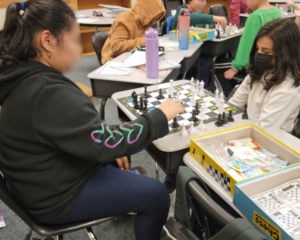 He eventually worked up to being #2 on the team, after beating all the other teammates in matches, and his high school placed second in the whole state. After high school, Nick competed in the Washington State Chess Open and worked his way up past the experts to play national masters.
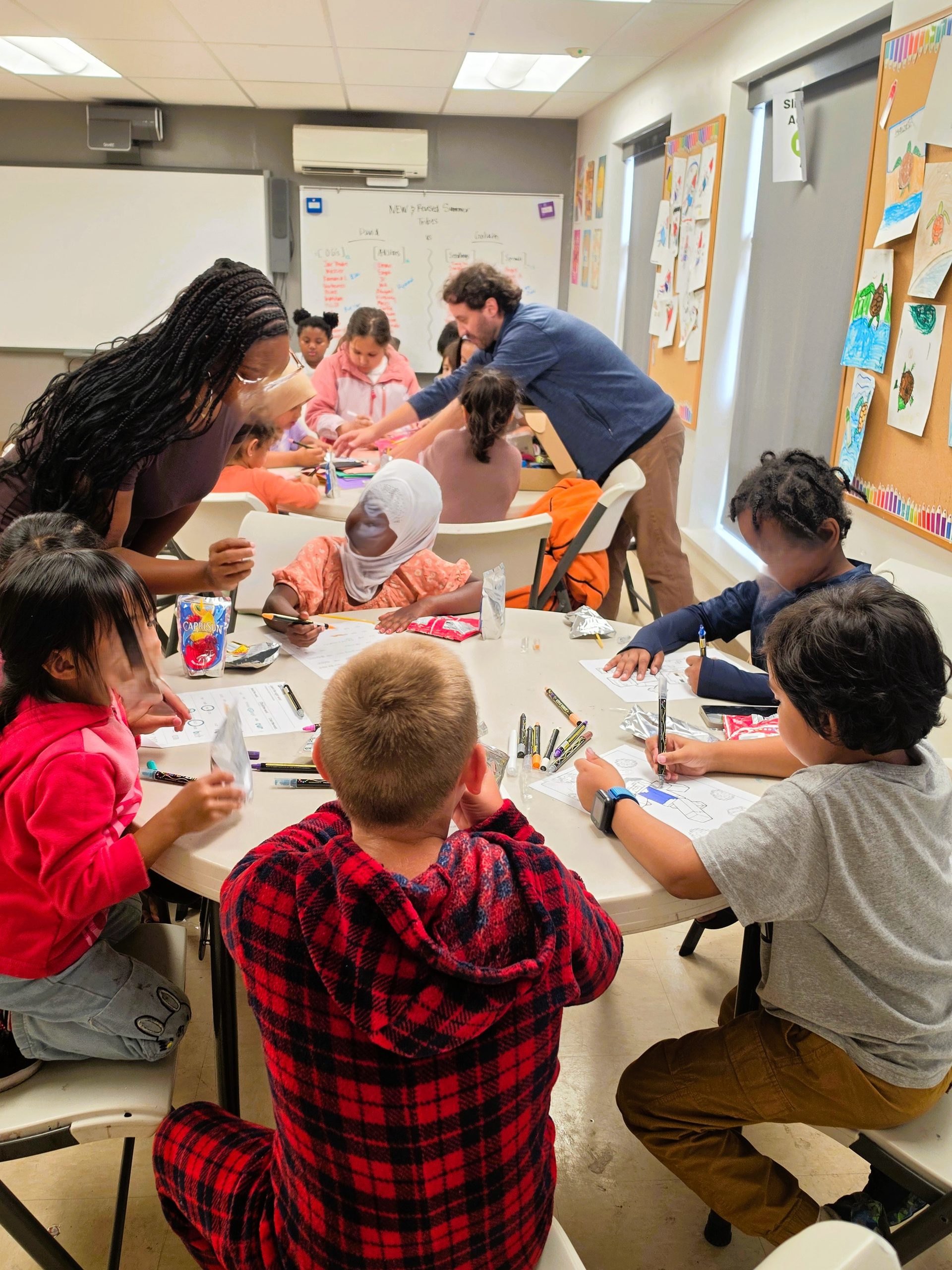
 Fast forward to many years later, Nick was teaching chess for CRB’s Education Program at a recreation center, usually attended by low-income and underprivileged kids. One child in the program, let’s call him “Amir,” was often said to be a “troublemaker” and was struggling academically. He had a tough time reading and writing at grade level and often shied away from activities in general. But he took to chess and enjoyed the competitive part of it. After a month of lessons from Nick, all the kids in the program were ready for a friendly chess tournament—especially Amir.
The tournament was five rounds long. In the first round, Amir won, and the other kids were surprised. Even one student thought he cheated. As the referee, I confirmed he didn’t. Round after round, Amir won, usually convincingly. More kids in the class expressed shock that he kept winning. During our lessons, Amir wasn’t raising his hand often or showing off his prowess. When it came to the tournament, though, he didn’t falter once.
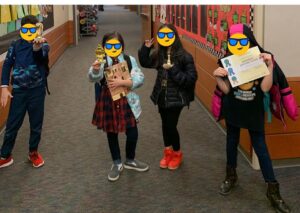
After getting the first-place trophy, Amir was visibly excited. He ran around the recreation center and showed off his symbol of achievement. As a kid many didn’t believe in, I could see his belief in himself changing. After that day, Amir often brought up his big win—sometimes a counterargument to being belittled. He used to get kicked out of the recreation center for his behavior, but since achieving the title of chess champion, Amir seems to be thriving. Now that he has outgrown our Education Program, he often comes back to our classroom to help the younger kids and say hi to us. It’s obvious that Amir found a safe place in our program and feels encouraged there. He can always carry the knowledge that he’s a chess champion and can show those who don’t believe in him that he’s much greater than they thought.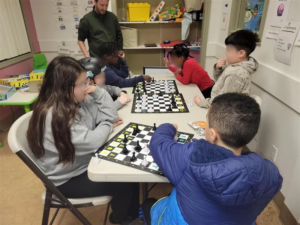
If you’re looking for some resources on the link between chess and academic achievement, here is a quick list:
1. Patel, A. (2024, November 24). How Chess Enhances Academic Performance in Students. Chess.com. https://www.chess.com/blog/SGPChess1/how-chess-enhances-academic-performance-in-students
2. University of Texas at Dallas Chess Program, The. Chess and Education Selected Essays From the Koltanowski Conference. Chess Program at the University of Texas at Dallas, 2006.
3. Ortiz-Pulido, Ricardo, et al. “Neuroscientific Evidence Support That Chess Improves Academic Performance in School.” Revista Mexicana de Neurociencia, vol. 20, no. 4, Aug. 2019, https://doi.org/10.24875/rmn.m19000060.



Leave a Reply