
We interviewed Medina Abdi, the Resilience, Integration, Support, Empowerment (RISE) Coordinator at Chief Sealth International High School, about her Mindfulness Journal project.
RISE is a comprehensive school-based intervention model that integrates behavioral health care coordination with academic support, family engagement, and community-based collaboration. The program is designed to ensure our services are embedded within and strengthen existing school structures. Our RISE Coordinators work in collaboration with the school’s social workers, counselors, and other support staff to better connect with youth. By placing trained coordinators directly in schools, RISE helps students manage stress, build resilience, and strengthen their sense of belonging.
Here is our interview with Medina Abdi:
What inspired you to create a Mindfulness Journal?
Toward the end of the school year, I knew there were a lot of students who would not be able to check in with their counselors or anyone at school for the entire summer. There are a lot of people, not just teenagers, who might want to work on their mental health and their relationship with themselves and just not feel comfortable talking to others just yet. My hope was that they could journal and think about their health over the summer when they had less access to in-school help.
How do you think the Mindfulness Journal benefits students?
I think a lot of teenagers might want to focus on their own daily health and do not know where to start. The journal has prompts for them to think about regarding taking care of themselves and appreciating themselves. Also, they can track methods that work them or not. They are doing it because they want to—not because someone is telling them to do it or checking their answers afterward.
What responses have you gotten from students about the Mindfulness Journal?
When creating it, I gave the first couple of drafts to students to look over and give suggestions. I got great feedback about the layout and what students liked and didn’t like to edit into the final product. The student who I know used it liked the prompts and continued to use them after finishing the journal. Most students didn’t know where the journal came from, which I like. I would rather they find it on their own and use it because they want to.
What is your vision for sharing this Mindfulness Journal with others? I have read that you have given access to it to other schools besides West Seattle High School.
King County wrote about it in their blog as well, and another school’s SBHC reached out to ask about it. I also shared it with the BHC team in case any of them wanted to share it with their schools. My friend works in tech and also asked for a copy to share with his team. I don’t want to share it too much because I don’t want it to be altered or changed. Someone asked if there would be another edition, which would be interesting to think about.
Do you have any advice on how to use the journal and how to incorporate it in daily life?
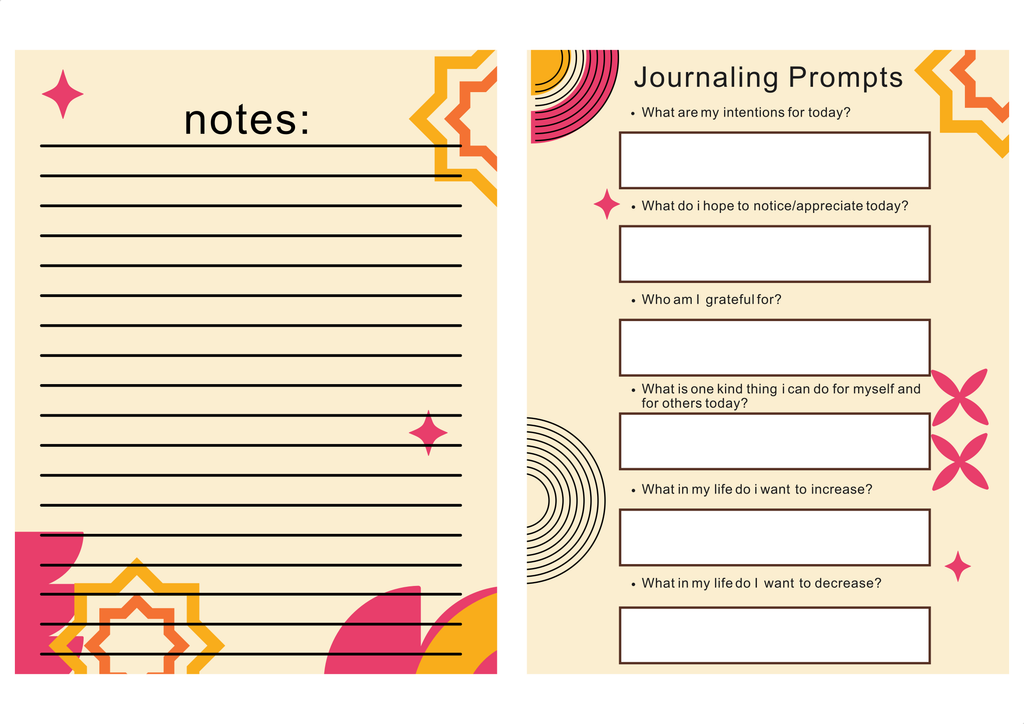
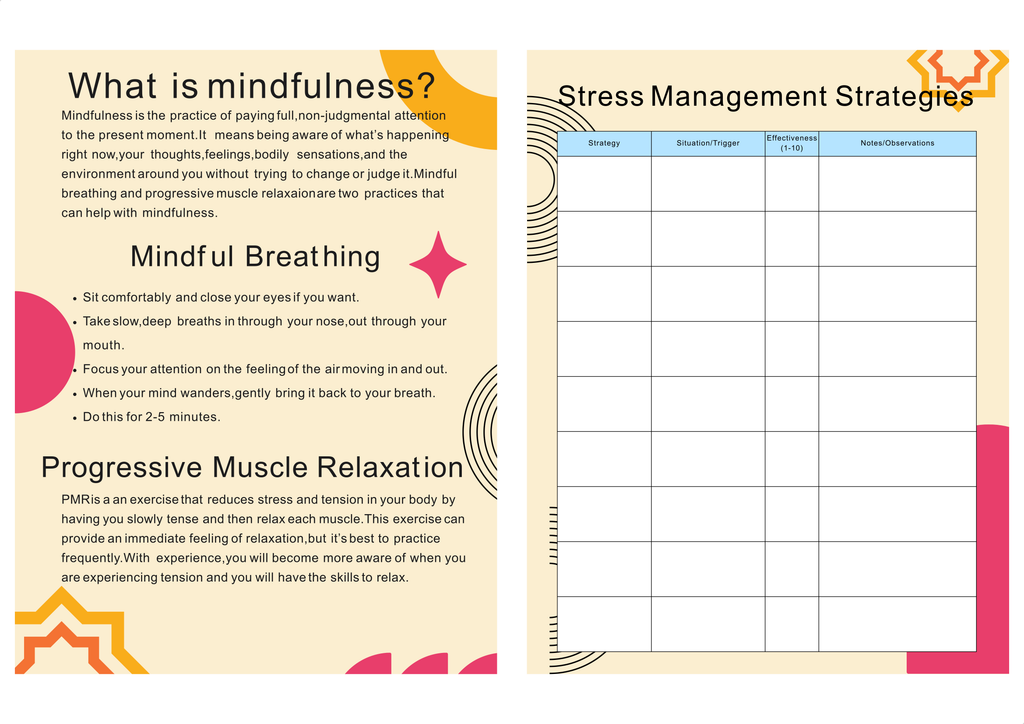
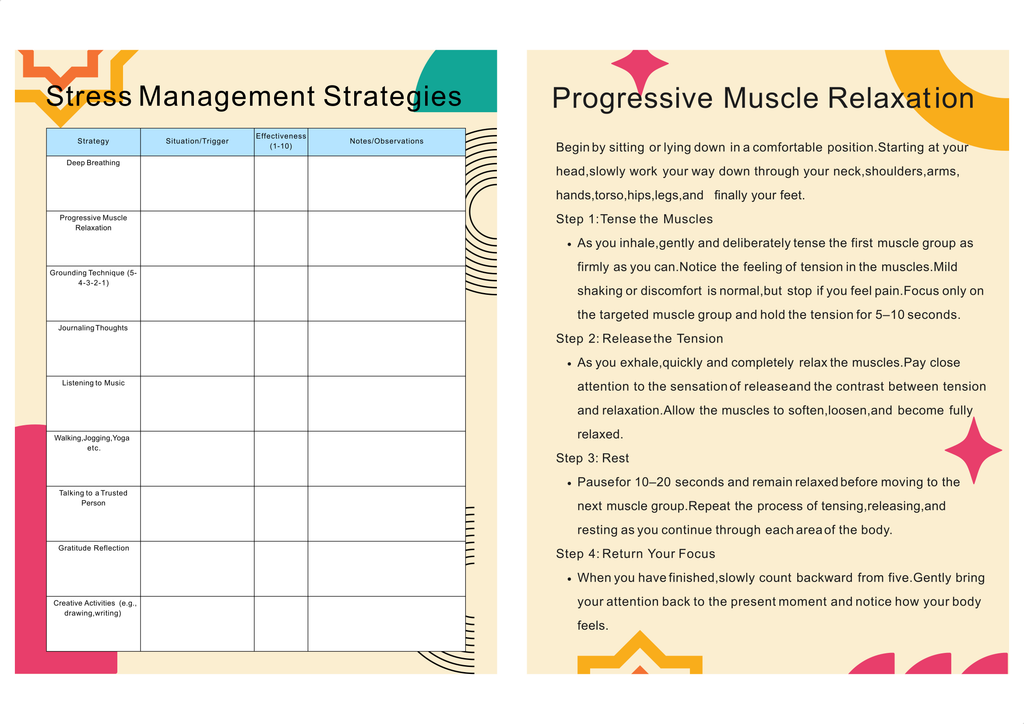
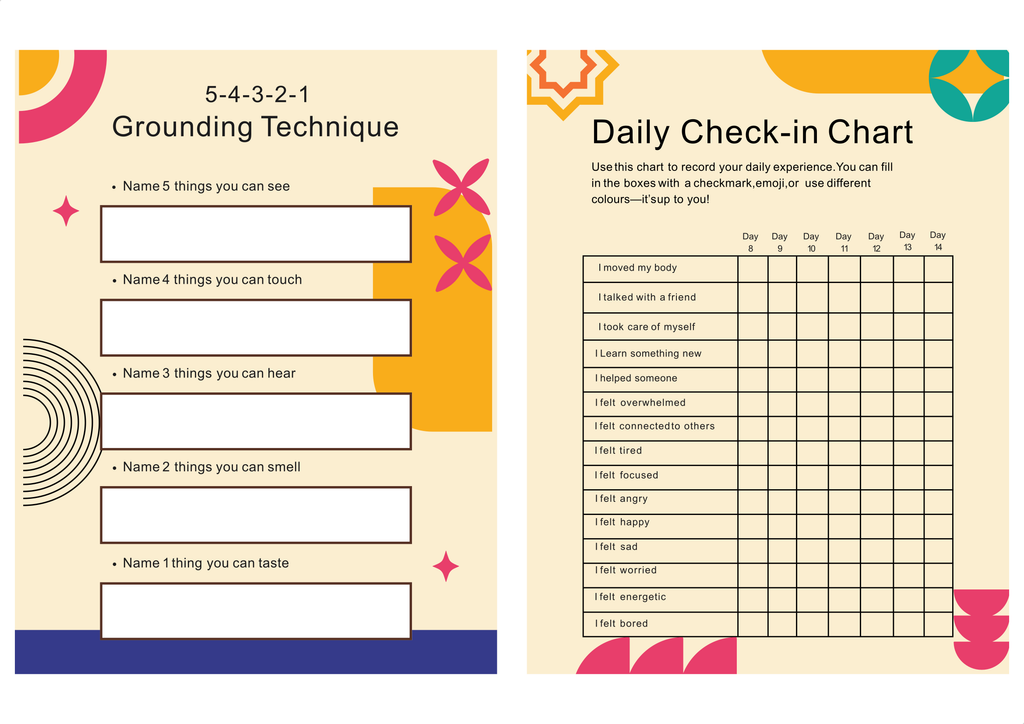
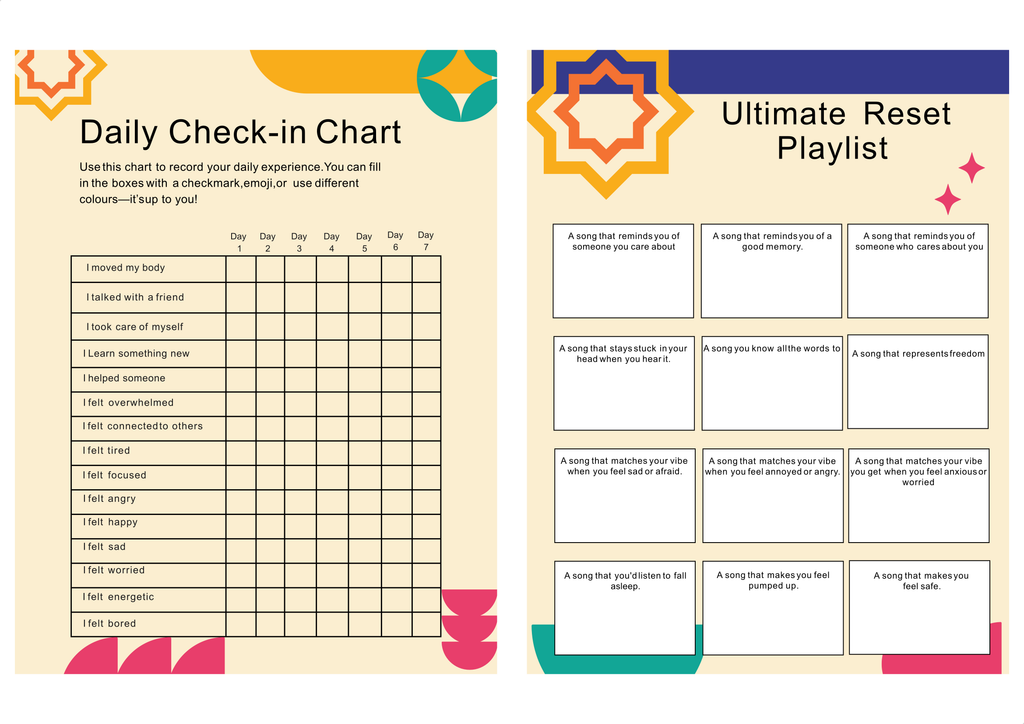
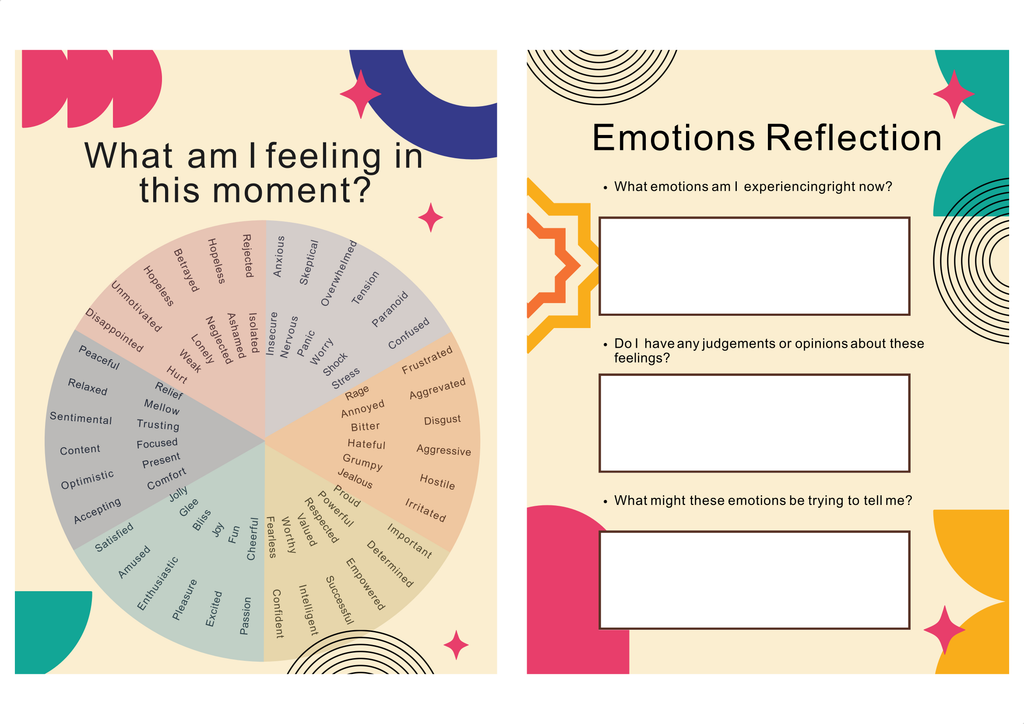
The journal has suggestions on topics to write about and skills to try. There is a skill monitoring sheet inspired by DBT diary cards, where you track how you feel before and after using a skill, then use that information to decide if/when you want to use it continuously. My suggestion is that people can continue whatever helps them: daily gratitude, tracking their moods, practicing skills, or whatever is best for them. I hope people know taking care of themselves is very important. Teenagers are in a developmental group where they are learning how to fit into a community, but I want them to remember the value of loving and caring for themselves.
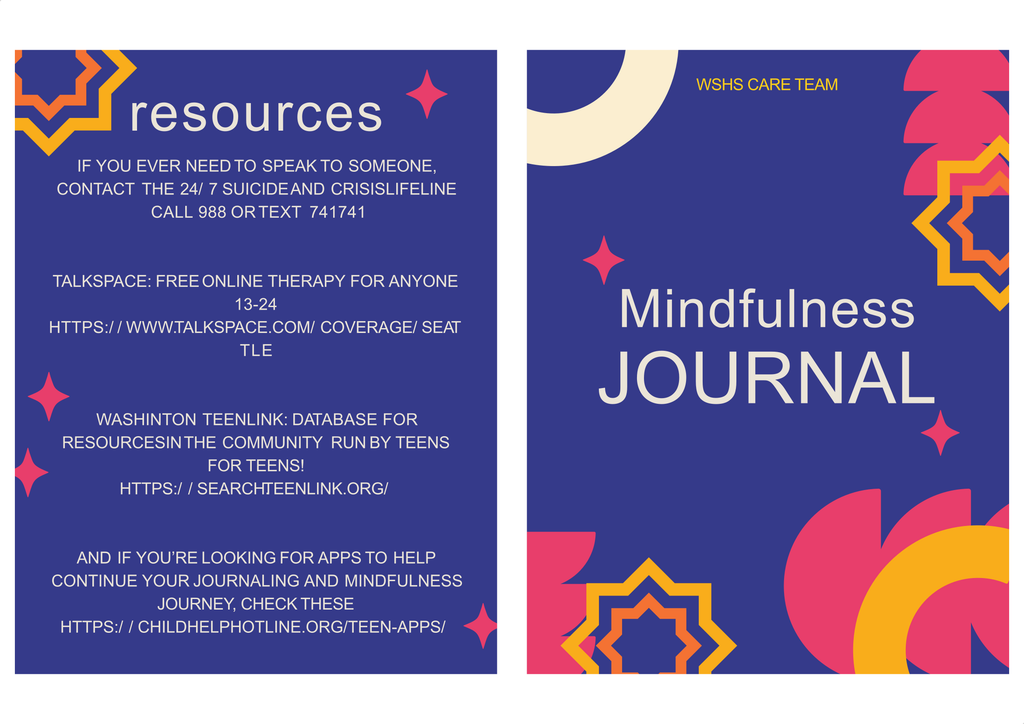
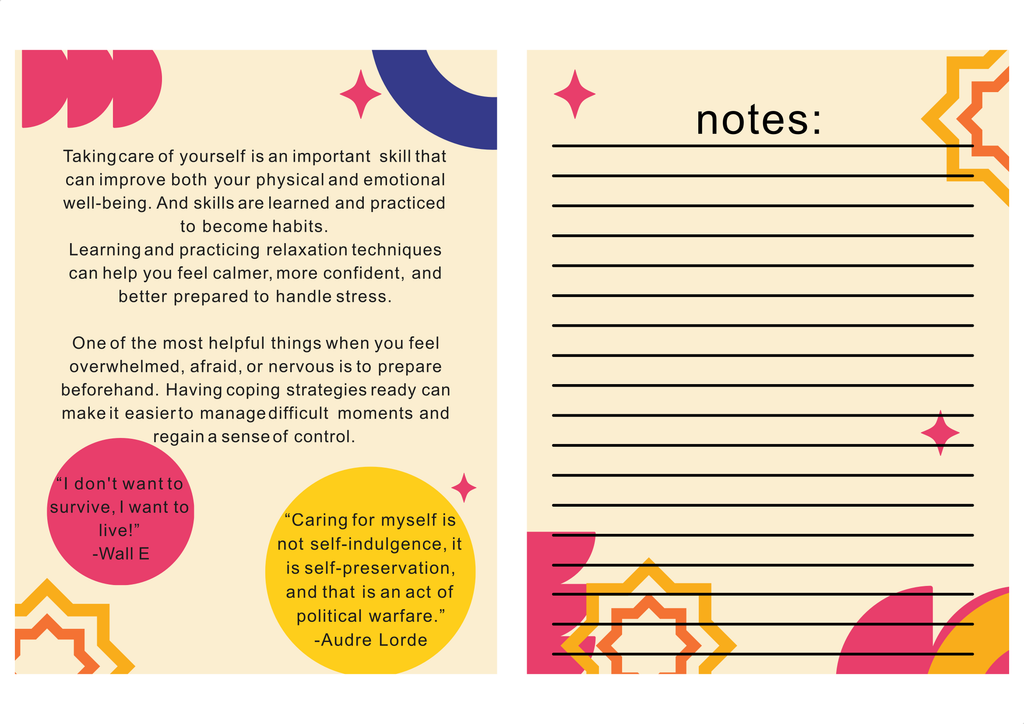
Here is a PDF version of the journal: Mindfulness Journal
Below are images of the journal’s pages:

Leave a Reply