At the sites and schools where we run our education programs, we practice culturally responsive education. What exactly is it, and why is it important in the classroom?
Culturally responsive education treats students’ cultural backgrounds and languages as integral parts of their learning, not obstacles to overcome. We believe that students learn best when teachers connect with who they are and where they come from.
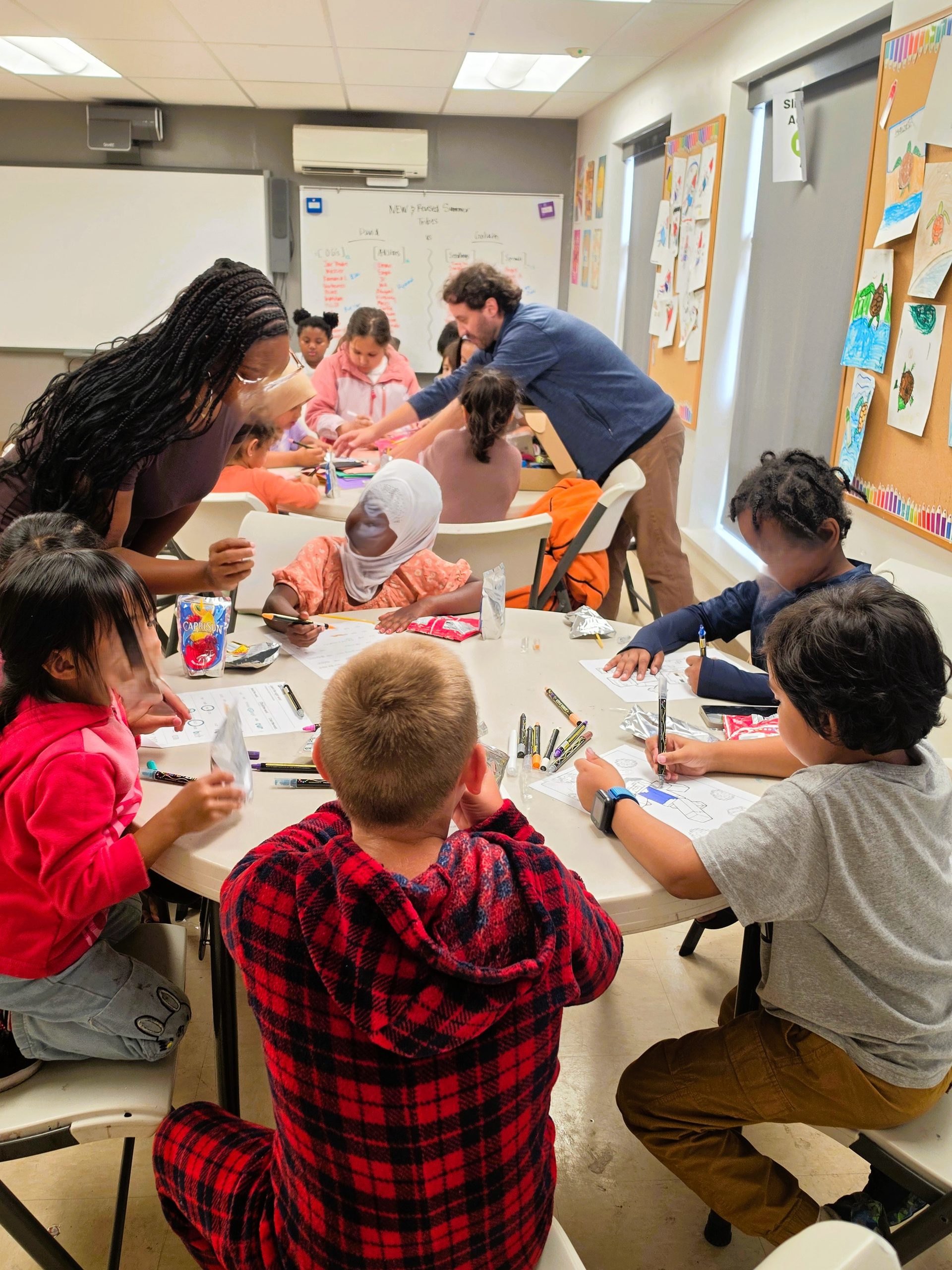
Our lessons draw on students’ languages and family traditions. We incorporate bilingual books in our reading library and in the classroom to reflect this. Also, we have materials that reflect diverse perspectives, histories, and authors, so students can see themselves represented and learn about other cultures.
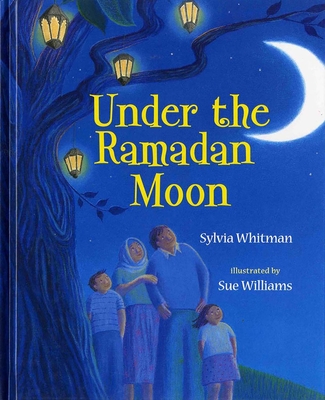
One example besides bilingual books and culturally responsive curricula is respecting religious practices in our classrooms. During Ramadan, we make sure not to have any parties with food, have opportunities and space for prayer for students who practice, and read books about Ramadan for all students in the class. During this December, our elementary sites will do a unit on holiday traditions from around the world, including Christmas, Eid, Hanukkah, and more.
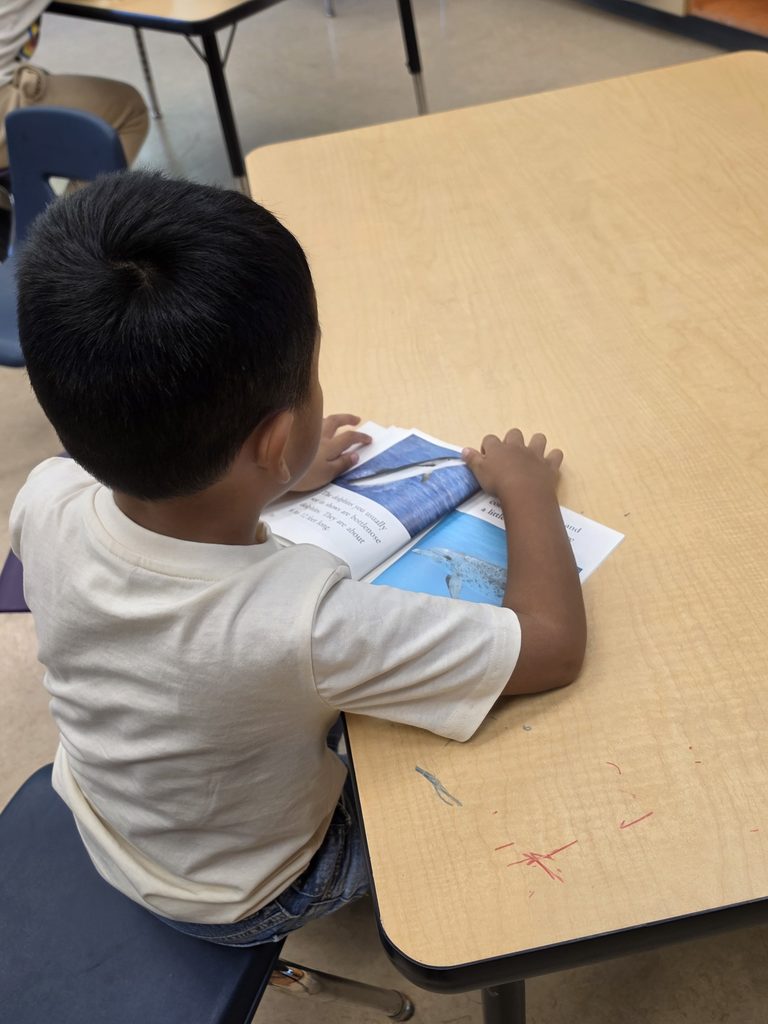
Finally, our teaching staff examine their own cultural assumptions and biases, and how those shape expectations, classroom management, and teaching methods. We believe this is especially important for our non-BIPOC educators, as education in the US has historically been geared towards white populations and not diverse students. When school culture closely matches only one group’s norms (often white, middle-class, English-speaking), students from other backgrounds can feel alienated or disengaged. Culturally responsive teaching aims to reduce those issues, improve engagement and achievement, and narrow opportunity gaps.
Leave a Reply